Slow Breathing (4-7-8)
Breathe in through your nose for 4 counts, hold for 7, breathe out through your mouth for 8. Do this four times in dim light. Many people find a longer out-breath helps them feel steadier and more relaxed. No equipment needed.

How you spend the last hour of your day can shape how calm your evening feels. Softer light, a scent you enjoy, linen sheets that feel cool against your skin — small habits that mark the end of the day. Here you will find free, plain ideas inspired by calm living: nothing fancy, nothing perfect, just practical routines you can try at home.
See Easy Evening Habits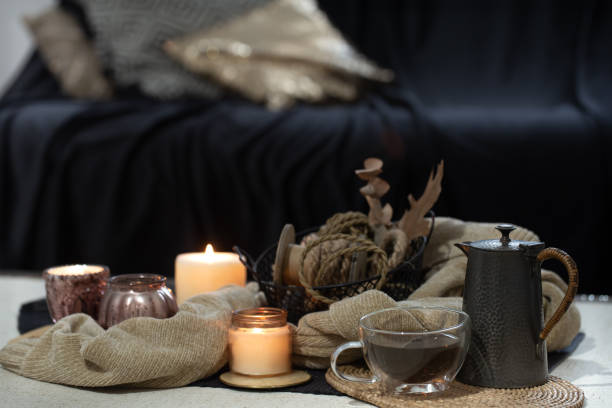
When you repeat the same calm actions each evening — dim the lights, breathe slowly, pull on a familiar blanket — those habits can become a familiar part of your routine. You do not need a perfect schedule. Some nights you read for twenty minutes; other nights you just sit in warm light for five. That is fine. What counts is creating a quiet transition from the busy part of your day.
In New Zealand the evenings look very different in winter and summer. Shorter winter days and long summer twilights both affect how we feel at night. Start with one simple change — like switching to a warm lamp after sunset — and build from there over a few weeks. There is no need to overhaul everything on the first night.
"Rest does not begin when you lie down. It begins when you decide the day is finished."
Smell is closely linked to memory and mood. When you breathe in a scent you enjoy — lavender, sandalwood, or chamomile — it can make a room feel calmer and mark the start of your evening routine. Light a beeswax candle with a gentle scent and you create a familiar cue: this is wind-down time.
Some people find certain scents pleasant and relaxing as part of a quiet evening. That experience is personal — a smell you dislike will not feel calming. Start with one scent at a time and notice whether you enjoy it over a few evenings. We share general lifestyle ideas only; this is not advice about health conditions or treatments.
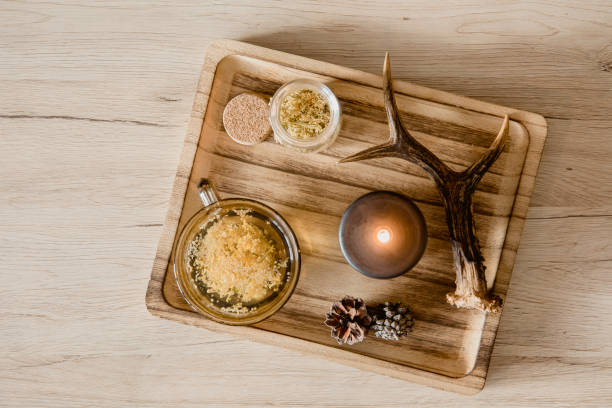
What you feel against your skin can add to a calm, comfortable atmosphere at home. Natural fabrics like linen and wool feel different from synthetics. Linen stays cool on hot Christchurch summer evenings. Wool adds gentle warmth when it gets cold. Both can help you feel more settled as you wind down.
A weighted blanket spreads pressure evenly across your body — a bit like a firm hug. Some people find this calming while reading or listening to quiet music. There is no one-size-fits-all rule. If wool feels scratchy, put a cotton sheet underneath. If linen creases, that is part of its character — wabi-sabi teaches us to accept small imperfections rather than fight them.
Try this two-minute exercise before bed: sit on the edge of your bed and notice five textures around you — cool cotton, a rough wool throw, a smooth mug, a soft pillowcase, the firm edge of the mattress. It pulls your attention away from the day's worries and back into the present moment.
More About Fabrics & Comfort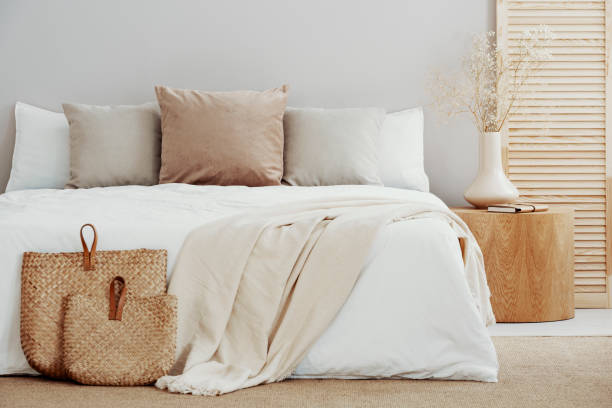
Bright light from screens and cool-white bulbs can make a room feel alert and awake. Many people prefer softer, warmer light in the evening — similar to sunset or lamplight — when they want to unwind. Swapping harsh overhead lights for a soft amber lamp may help your home feel calmer. Results differ from person to person.
Warm-toned rooms often feel cosier and more inviting than rooms with cold white light. In the evening, turning brightness down can support a quiet atmosphere while you read, talk, or prepare for bed. This is general lifestyle guidance, not medical advice about sleep or light therapy.
A practical tip for New Zealand homes: use a dimmer switch in your living room from 7 pm in winter. Even one table lamp with a warm bulb plus a candle on the side table creates a calm, inviting atmosphere that is easy to settle into.
More About Evening Light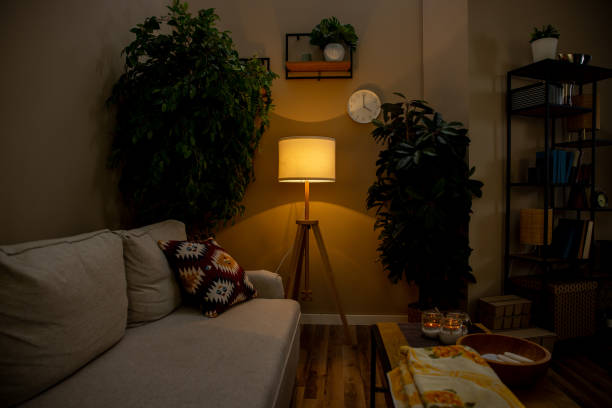
Breathe in through your nose for 4 counts, hold for 7, breathe out through your mouth for 8. Do this four times in dim light. Many people find a longer out-breath helps them feel steadier and more relaxed. No equipment needed.
Starting at your feet, gently squeeze each muscle group for five seconds, then let go. Move up through your legs, stomach, hands, shoulders, and jaw. Feeling the difference between tension and release teaches your body what letting go feels like.
Before you turn off the light, write three short lines: one thing you noticed today, one thing you appreciated, and one gentle thought for tomorrow. Keep it brief so it stays easy on busy nights.
Not everyone winds down the same way. Some people wake up slowly like an owl, others move through the day steadily like a lion, and some buzz with energy like a bird. The way you feel in the morning often hints at what kind of evening routine will suit you best. Our short quiz has five simple questions to point you in the right direction.
Morning Owls usually need a long, quiet wind-down with low noise and soft light. Calm Lions do well with a fixed routine at the same time each night. Energetic Birds may need a short walk or stretch before they can sit still. None of these is better than the others — they are just different rhythms.
Take the Short Quiz
Everything on this site is general lifestyle information — not professional or medical advice. If you often struggle to sleep or feel stressed for a long time, talk to a qualified professional in New Zealand.
Purgesrmovement.ddd is a free educational website run from Christchurch, New Zealand. We publish practical articles about evening routines — lighting, fabrics, scents, and simple habits — inspired by calm, uncluttered living.
What we offer: free online guides, an informal lifestyle quiz, and occasional local workshops listed on our events calendar. You can contact us by email, phone, or visit our Sockburn address during published hours.
What we do not offer: medical or psychological services, diagnosis, treatment, supplements, or products sold through this website. We do not promise that any habit will improve sleep or health. Content is for adults seeking general lifestyle ideas.
Business details: Level 1 Westside House, 34 Yaldhurst Road, Sockburn, Christchurch 8042, New Zealand · +64 3 972 5452 · Contact form
No. All pages share general lifestyle information only. We are not a clinic, pharmacy, or therapy provider. For ongoing sleep difficulties or health concerns, contact an appropriate qualified professional in New Zealand.
The articles on this site are free to read. We do not sell candles, supplements, or bedding through this website. Some local events may have a separate fee — details are shared when you register by email.
Most people do well starting 60 to 90 minutes before they plan to sleep. That gives your body time to pick up on the light, scent, and breathing cues. If an hour feels like too much, start with 30 minutes and add more over time.
Phone screens emit bright light that can keep you alert. If you must use one, turn on night mode, lower the brightness, and avoid exciting content. Many people prefer a real book or quiet audio in the last hour before bed.
Use them while you are awake and blow them out before you get into bed. Choose natural wax, keep the wick trimmed to about 6 mm, and place candles on a stable surface away from fabric and drafts.
Compromise helps. Try a bedside lamp instead of overhead light, headphones for audio, or a small diffuser on your side of the room so each person can create their own calm corner.