Line 1: Something You Noticed
Write one specific thing from today — a chat you had, a colour outside, the taste of your tea. Being specific keeps your mind from spinning in circles.

These exercises are simple enough for tired evenings but steady enough to become a habit. Pair them with warm light, a familiar scent, or a soft blanket so your body learns the sequence. Pick one or two per night — there is no need to do everything at once.
Start with Breathing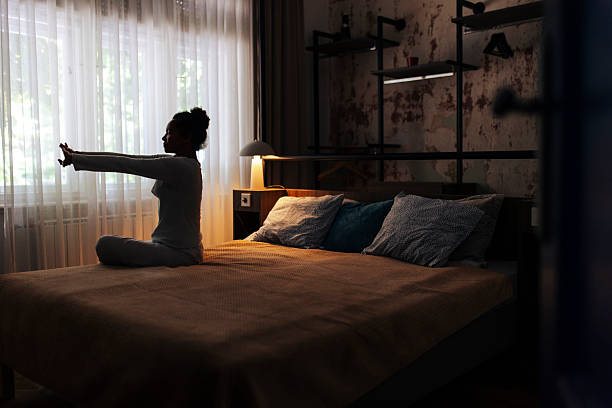
Editorial note: The habits on this page are general lifestyle ideas for everyday evenings. They are not medical, therapeutic, or professional advice, and we do not promise specific results.
Editorial note: These are general relaxation habits for everyday evenings. They are not a substitute for professional care. Stop if you feel unwell and seek appropriate advice in New Zealand.
This breathing pattern uses a longer out-breath than in-breath. Many people find that rhythm steadying and pleasant. The exact speed matters less than the ratio — shorten the counts if 4-7-8 feels too long for you.
Do this in dim warm light with your phone on silent. A light lavender scent is optional. Stop if you feel dizzy and try shorter counts next time.
When you deliberately tighten a muscle and then let go, the relaxed feeling stands out more clearly. This helps especially if you carry tension from sitting at a desk or driving all day.
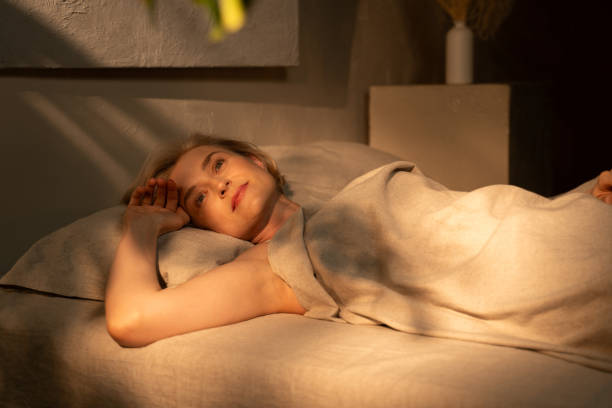
Lie on your back under a light blanket. Tense each area for five seconds, then release for fifteen: feet, calves, thighs, stomach, hands, arms, shoulders, neck, jaw, and forehead. Keep breathing normally — do not hold your breath while tensing.
The whole sequence takes about twelve to fifteen minutes. Falling asleep before you finish is perfectly fine. Doing this regularly for a few weeks works better than doing it once for a long time.
Write one specific thing from today — a chat you had, a colour outside, the taste of your tea. Being specific keeps your mind from spinning in circles.
Name one thing you valued today, however small. Regular short notes like this can support a calmer outlook over time.
Not a to-do list — just one quality you want to carry forward, like patience or curiosity. This closes the day without revving up planning mode.
Use a paper notebook by your bedside lamp. Three lines only — keep it easy on busy nights. Skip a night if you need to; no guilt required.
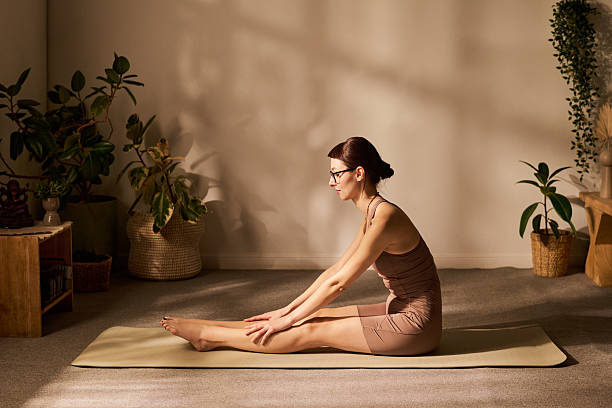
If you sit most of the day, five minutes of slow stretching can release built-up tension before you breathe or journal. Hold each position for thirty to sixty seconds. Breathe steadily — no bouncing.
Start with slow breathing — no equipment, under five minutes, works well with dim light. Add muscle relaxation or journaling after two weeks if you like.
A full session can take forty minutes. On weeknights, pick two habits. Save the full sequence for weekends.
That is normal. Notice the thought, then return to your breath, your muscle group, or your pen on paper. A blank mind is not the goal — gently coming back is.
Yes — use them before your personal "bedtime," whatever the clock says. Warm light, scent, and steady breathing work whenever you start winding down.